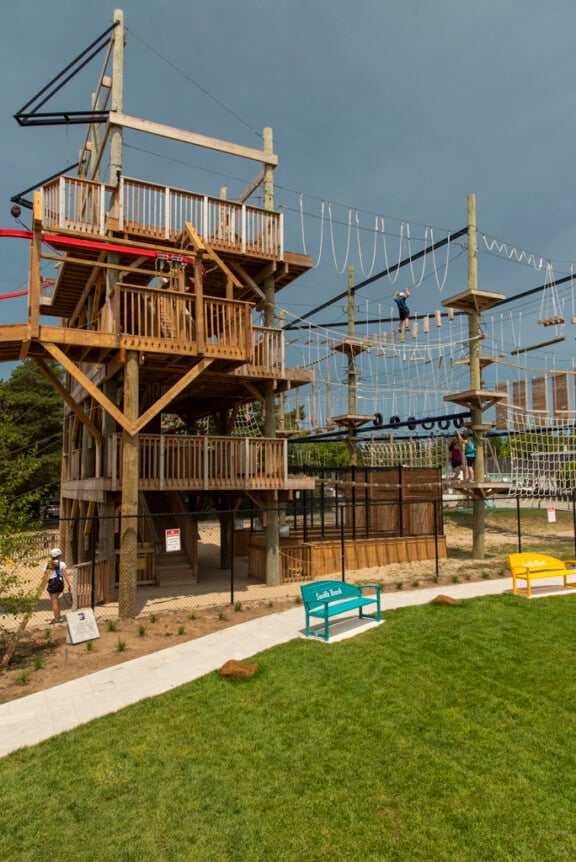
Sauble Beach is a welcoming destination with enough character to feel personal rather than generic. As a written listing, it benefits from language that feels comfortable, specific, and useful, giving readers a clear reason to pause it without making promises that require on-site verification. Expect the strongest writing angle to come from open space, fresh air, relaxed movement, and the simple pleasure of being near the water. Part of the charm is that the visit can be shaped to match the group, whether that means lingering, browsing, eating, walking, or simply enjoying the surroundings. The description can highlight the way Sauble Beach adds shape to an itinerary: it gives people a destination, a pause, and a story they can easily remember afterward. Because every traveller approaches a stop differently, the copy should leave room for different versions of the visit. Some people may treat Sauble Beach as a quick break, while others may make it the centre of a morning, afternoon, or relaxed evening plan. What matters is the sense of invitation. The name itself should feel connected to a real experience, not just a pin on a map, so the writing should help readers imagine arriving, settling in, and choosing their own pace. In a recommendation list, it reads best as a place that adds variety and personality, balancing bigger attractions with something more grounded and human. The listing can also emphasize practical versatility, since travellers often appreciate stops that work for different ages, weather conditions, budgets, and energy levels. Rather than relying on a single feature, the appeal can be built through atmosphere, accessibility, and the promise of a small but satisfying break in the day. That makes the destination useful for itineraries that mix headline attractions with more personal moments, giving the overall trip a richer and.