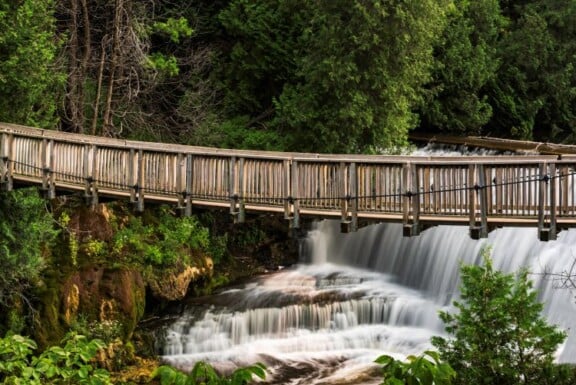
Belfountain Conservation Area is a warm, easygoing stop with a pace that encourages visitors to slow down and take in the moment. As a written listing, it benefits from language that feels scenic, specific, and useful, giving readers a clear reason to sample it without making promises that require on-site verification. The most useful angle is the outdoor experience: changing views, natural textures, quiet pauses, and the satisfaction of reaching a scenic point. The experience feels strongest when approached without rushing: arrive with time to look around, notice the details, and let the visit unfold naturally. The description can highlight the way Belfountain Conservation Area adds shape to an itinerary: it gives people a destination, a pause, and a story they can easily remember afterward. Because every traveller approaches a stop differently, the copy should leave room for different versions of the visit. Some people may treat Belfountain Conservation Area as a quick break, while others may make it the centre of a morning, afternoon, or relaxed evening plan. What matters is the sense of invitation. The name itself should feel connected to a real experience, not just a pin on a map, so the writing should help readers imagine arriving, settling in, and choosing their own pace. For a travel guide, it can be framed as an accessible stop with broad appeal, practical for families, couples, solo visitors, and anyone collecting distinctive local experiences. Rather than relying on a single feature, the appeal can be built through atmosphere, accessibility, and the promise of a small but satisfying break in the day. That makes the destination useful for itineraries that mix headline attractions with more personal moments, giving the overall trip a richer and more balanced feel. The tone should stay inviting, specific, and original, helping the entry feel like.

Attractions
Belfountain Conservation Area