
For many waterfront enthusiasts, the trip to the lake doesn’t begin when they leave the city—it begins days earlier.
They’re checking forecasts, watching water levels, and looking for wildfire updates. They’re wondering whether the ice is finally out, the snow is gone, or if the latest tornado warning had any real merit in their little lakeside community. Most of that information exists somewhere, but it’s scattered across weather apps, Facebook groups, and whatever grainy live camera a local marina happened to install a decade ago.
Few places bring it together. That’s the gap Shorecast founder Mike Rumble kept running into after purchasing a cottage just north of Muskoka.
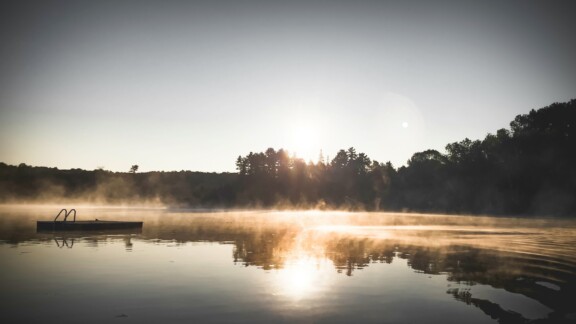
Living in Toronto, three hours away, he found himself returning to the same blurry marina webcam again and again. It was entirely focused on the boats tied to the dock, but it was the only way to see even a piece of his lake without driving hours up Highway 11. Becoming a rural, lakeside property owner brings the unquestionable peace of a weekend escape, but it also introduces the constant stress of wondering how your new oasis is weathering the latest storm.
“I always wanted to have an eye on my lake,” Rumble says. “Not even on my cottage necessarily, but on my lake.”
From Pandemic Purchase to Proof of Concept
Although Mike grew up canoeing across Ontario’s lakes, buying a property of his own in 2021 was a completely different experience. Like many Ontarians, he purchased during the pandemic, joining thousands of people rediscovering waterfront communities close to home.
Owning the land turned out to be equal parts exciting and overwhelming. Suddenly, every weather event felt deeply personal. Heavy rain meant wondering if the water was creeping toward the shoreline. Spring meant checking for ice-out. Summer brought concerns about wildfire smoke, while every severe storm warning raised the same nagging question: What does it actually look like up there right now?
Standard weather apps could provide a generic forecast, but they couldn’t show him the actual water. He realized he couldn’t be the only one who didn’t just want more data. They wanted visual reassurance.